
Home Renovation & Remodeling Guide
Deciding Whether To Renovate
- Evaluate your needs. How long you plan to be in the home, space you may need in the future, etc.
- Compare renovation and moving costs. It could be less expensive to move than to renovate and make home improvements.
- Watch the total project cost. Be sure the improvement doesn’t raise the price of your home so much that it’s the most expensive in the neighborhood.
- Weigh the pros and cons. Don’t solve one problem, but create another. For example, converting a garage into an office may affect resale value.
- Consult the experts. Talk to your REALTOR® and get multiple contractor quotes before beginning your home improvement project.
- Invest wisely. Make sure the home improvement cost will be recouped in the eventual sale of the house.
- Make small investments. Sometimes several small renovations yield a better return than a major remodel.
Planning To Move
- Save for a down payment.
- Have good credit.
- Get pre-approved. Homes go fast. Use a REALTOR®.
- Have inspections.
- Keep your lender updated with home purchase status.
- Be flexible with the seller on items that are not important to you.
- Talk regularly with your REALTOR® and lender to avoid stress in the process, and don’t pick a home you can’t walk away from.
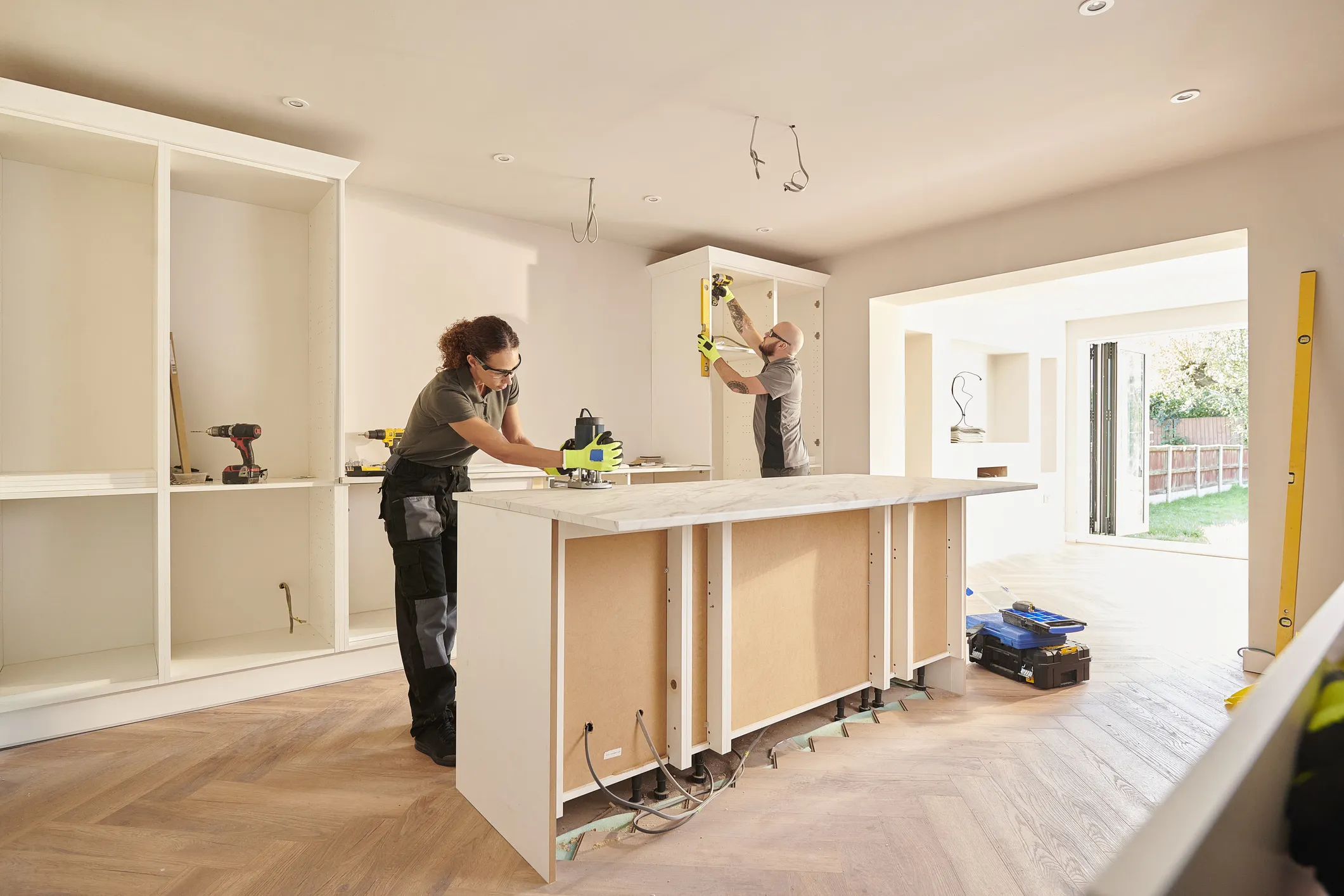
Let’s Plan Your Renovation
It’s important to plan your renovation projects in a strategic and efficient way to maximize your budget. For example, new paint and flooring should be done after major demolition and framing projects. Also, contractors offer buyers the latest design trends and home layout options.
Tour New Homes For Inspiration
Before planning your home renovation, tour a few model homes to look at how new homes are being laid out. If you live in a neighborhood, take a look at how your neighbors have renovated. You may pick up some ideas you never thought about that are a perfect fit for your home.
Take Advantage Of Existing Resources
- Online resources are available to help you plan and design your home improvement project.
- Your REALTOR® can also help you prioritize projects and often will have a network of contractors who may be able to bring the cost of your project down.
- Contractors will know what styles are trending and how other homeowners are renovating their homes.
What You Need To Know
- Be sure to round up and add some extra money to your budget for any unexpected costs that may pop up.
- You will want to secure multiple quotes for the project to compare costs.
- If the project is not being paid for in cash, calculate the cost of financing.
- Include the option of completing some or all of the project yourself if it’s something you are comfortable doing.
- If you are completing a project on your own, be sure to research any required county building permits and neighborhood association approvals.
- Read the fine print carefully when working with a contractor and review what is included in the cost. Also, be sure the project has a predetermined timeline for when it will be complete.
Be sure to keep all receipts, estimates, contracts, and other paperwork associated with your projects.
Do it yourself
If you are able to do parts of the job yourself, be sure the contractor reduces the cost of the project to account for the portion you will complete.
Use your resources
If you know a reliable and insured handyman with references from past customers, this option could be less expensive than a contractor for some projects.
Know what shouldn’t be DIY
For big projects, going the DIY route or using a less experienced handyman can end up costing you more if a portion of the job is completed incorrectly and has to be fixed later.
Have enough saved
Hold off on the renovation until you have saved at least a portion of the projected project cost.
Swap skills
Barter services if you have friends or family with the skills to do some or all of your project.
Do projects in the off-season
Complete the project in the off-season. Significant savings can be gained by working with a company during their slow season.
If you have lived in your home for multiple years, you may have equity that can be used to finance your renovation. Home equity loans require appraisals, and the condition of your home is important.
Obtain the appraisal before you begin a project to ensure the current condition of your home doesn’t negatively impact the appraisal value.
You may also refinance your home mortgage to receive cash back. This is similar to a home equity loan, but is not the same thing.
A credit card can also be an option for renovation costs, especially if you earn rewards and plan to repay the entire amount before interest accrues. You may also use an unsecured line of credit, depending on your credit rating and the amount being borrowed.
Consider the ROI
If you plan to stay in your current home three years or less, a basement remodel may not be worth the cost. A smaller remodel, such as updating your light fixtures or bathroom hardware, would be less expensive and still be attractive to potential buyers.
Choose Your Projects Wisely
Make sure financially there is a good reason to remodel or renovate and be sure the home improvement cost will be recouped in the eventual sale of the house. A kitchen remodel may increase home value more than a basement refinishing, for example.
Get Inspired
Great ideas for how to renovate are all around you and include visiting new construction model homes, talking to neighbors about their home renovations, talking to your REALTOR®, talking with contractors and even getting ideas from your local hardware store.
Plan Ahead
Be prepared that many projects will involve a lot of dust, machinery, and foot traffic through your house. A contractor can help you plan the order in which projects are started to minimize the possibility that a new project will cause damage to another recently completed space.
Find Ideas Online
Use the online resources available to help you plan and design your renovation project. Take advantage of things like Pinterest and online design software.
Finance Wisely
When calculating the overall cost of the project, look at how much you will pay per month for various financing options, and try to select the lowest overall option.
Know When To DIY
While there are free videos on how to do just about any project, don’t be overconfident in your DIY abilities, especially if plumbing and electrical work are required.
Adhere To Building Codes
Failure to obtain and post the proper work permits can be very costly and may even cause liability issues when reselling the home. Make sure you follow the rules to be sure your project meets building codes if you are completing work without a contractor.
Create A Scope Of Work
Projects that do not include detailed timelines and scope can take much longer than anticipated and can increase in cost with unexpected occurrences (for example, finding mold or water damage when starting a basement renovation).
Have Money Saved
Having some cash available to pay for the project lowers the amount of money you may need to borrow, which can save you money in the long run.
Determine The Equity In Your Home
To gain an idea of the equity you may have, take the price your home could sell for and subtract the amount remaining in your home mortgage loan. For example, if you have an outstanding home loan balance of $100,000, your home is worth $200,000, and your mortgage interest rate is higher than the current market rate, it might make sense to refinance your home mortgage for $150,000 at the lower rate and take cash out. This would give you $50,000 for your home renovation.
The 20% Rule
Keep in mind that a lender generally requires that you keep 20% available equity in your home to avoid private mortgage insurance for your home loan.