
It is never too early to start talking to kids about money
03/30/2026
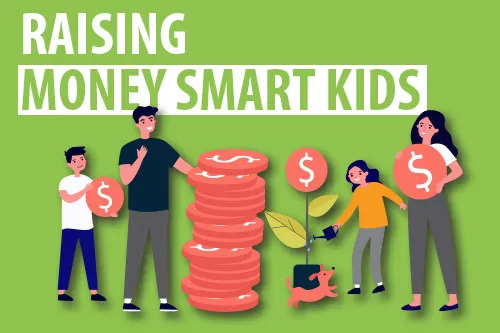
April is Youth Financial Literacy Month, and parents, aunts/uncles, and grandparents can help kids learn money basics early. Kids grow up fast and start making money decisions sooner than you think. A lot of financial challenges adults face are rooted in not mastering these basics early on.
What concepts should children, who are not yet teenagers, learn?
By age 7 or 8, kids can learn to be smart shoppers, that money is limited, and the difference between needs and wants. Then introduce the three things they can do with money: save, spend, and share—core ideas behind most money decisions.
What are ways that adults can help kids understand these financial concepts?
Include kids in everyday money moments—planning groceries, setting a spending limit until the next paycheck, and talking through why you skip some “wants.” The key is modeling the habits you want them to learn and being willing to talk about money.
Are there any activities that can help reinforce or teach important money lessons?
Have kids comparison shop online to build the habit of looking for deals. Another option is “Keep the Change”: give them $10 for a treat and let them keep what’s left. They see real trade-offs—some choose the big purchase, others choose the cheaper option to save for something else. Parents, aunts/uncles, and grandparents can all do this.
Should allowances be part of a parent’s plan to teach money skills?
Allowance is a household choice, but if you use one: keep it age-appropriate and tie it to clear responsibilities. The goal is to teach budgeting and reinforce “save, spend, share.” Starting early can make it easier to transition to the teen years, when kids need a real spending plan. Increase the amount over time as you add more responsibility.