
Is Your Budget Ready for a New Pet?
11/12/2026
Quick Summary: Thinking about adopting a pet? Learn how to budget for ongoing costs, spot hidden expenses like pet deposits and grooming, decide if pet insurance makes sense, and build a pet emergency fund with a simple three-month financial test-drive before you bring your new family member home.
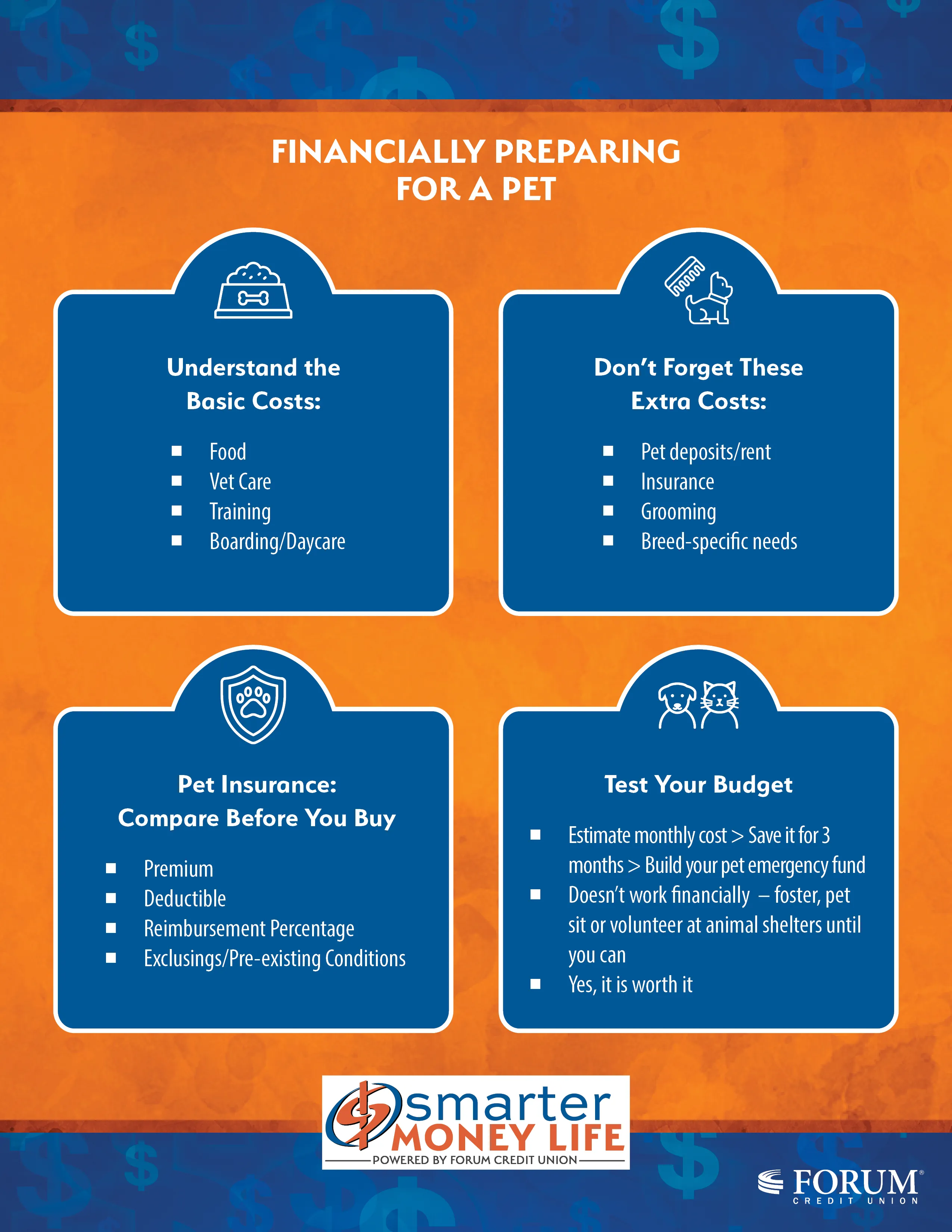
Getting a new pet is exciting, but between food, vet visits, grooming and everything else, that new furry family member also comes with a financial commitment. There are ways to make sure both your home and your budget are ready. This time of year, the decision is often emotional, and without a plan it can become stressful once the holidays are over.
What to Budget for Before Adopting
Before you bring home a pet, what should you think about financially?
Start by asking yourself a pretty simple question: Does a pet comfortably fit into my life and my budget? Don't just think about the adoption fee or what it costs to bring the pet home. Think about the ongoing expenses: food, routine vet care, medications, grooming, training, boarding, daycare and supplies. And your lifestyle matters too.
Hidden Pet Costs to Watch For
Are there any hidden costs people tend to overlook?
Definitely. One of the biggest is housing. Renters may face a pet deposit or extra monthly pet rent. If you own your home, check with your insurance company because certain dogs may affect your coverage or liability needs. The type of pet matters, too. A long-haired dog or cat might need regular professional grooming, while some breeds can have health issues that lead to higher veterinary expenses.
Is Pet Insurance Worth It?
Is pet insurance worth considering?
It's worth investigating, but that doesn't mean it's right for everybody. Essentially, you're deciding whether you want an insurance policy to help absorb a major veterinary bill, or whether you're financially prepared to pay those expenses yourself. Be sure to read the policy carefully. Deductibles, reimbursement percentages and exclusions can vary, and pet insurance typically doesn't cover pre-existing conditions. The bigger question is: if you suddenly had a veterinary bill of several thousand dollars, where would that money come from? If the answer is a credit card or pulling money out of long-term savings, that's a sign you probably need a better plan.
Test-Drive Your Pet Budget
What's the smartest thing someone can do before bringing a pet home?
Give yourself a pet financial test-drive. Estimate what the pet will cost each month and start putting that amount into savings before you adopt. If $150 a month is your estimate, for example, automatically save $150 for the next three months. If that feels comfortable, you've proven there's room in the budget and you've already started building a pet emergency fund. If the numbers don't work right now, fostering, pet sitting or volunteering with a local shelter can provide some of the experience of being around animals without immediately taking on the full long-term financial commitment.