
Misconceptions about Frugal Living
07/03/2025
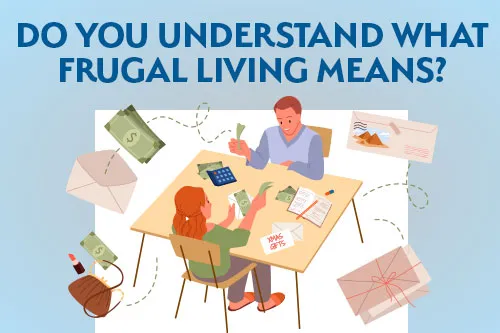
Whenever most people think of the term frugal living they immediately conjure up images of living without, buying cheap, and handling everything on their own. If that is you, read on because living a frugal lifestyle is quite different. In fact, almost all of us could use some elements of frugal living to make our financial lives just a little better. You don’t have to go all in for frugal living to be helpful.
How would you describe frugal living to someone?
A frugal lifestyle involves identifying priorities and allocating financial resources accordingly. It also means that you de-emphasize or spend less money on what isn’t important to you. Frugal living doesn’t mean no fun, it just means you are cutting expenses to focus your priorities. For instance, if you have a strong interest in travel and prefer to be away most weekends, it may not be practical to invest heavily in a permanent residence. Cutting back on your living space to have more money to travel is a frugal move.
What are some misconceptions about a frugal lifestyle?
Too many people believe that living frugally is doing without everything and living a life that is devoid of fun. They equate frugal living with spending nothing and going without. This perspective does not align with the actual experiences of individuals who practice frugal living. While some consider frugal living to be a solution to financial challenges, ineffective personal habits will likely keep them from achieving lasting financial success. There are a few important financial habits that can make you successful at frugal living and eventually help you in all aspects of your financial life.
What are some key habits to use if you want to embrace a frugal lifestyle?
Living frugally begins with having a clear reason/purpose, which is simple but essential. Once this is established, tracking expenses and controlling extra spending becomes easier. This is important because having a plan for your money is the cornerstone of success for a frugal lifestyle. An important habit is to embrace saving on every purchase by comparison shopping, looking for discounts, and even waiting for sales to make sure you are getting the best value, not just the cheapest option. Frugal living also requires eliminating most debt and keeping debt for homes and autos as low as possible. This enables individuals to allocate their finances toward their preferred expenditures or save for future goals, potentially reaching vocational freedom at a faster rate.
What frugal habits should we all use even if we don’t fully engage in frugal living?
Utilizing good shopping habits is always helpful and probably the most beneficial is cutting out impulse purchases. Developing greater self-sufficiency, such as improving DIY skills, can be helpful for individuals. For households with young children or pets, utilizing a barter system can be an effective method to reduce expenses. For instance, reliable neighbors can coordinate by alternating childcare responsibilities. Review your expenses at least once a year to cancel unused services and identify areas to cut costs.